
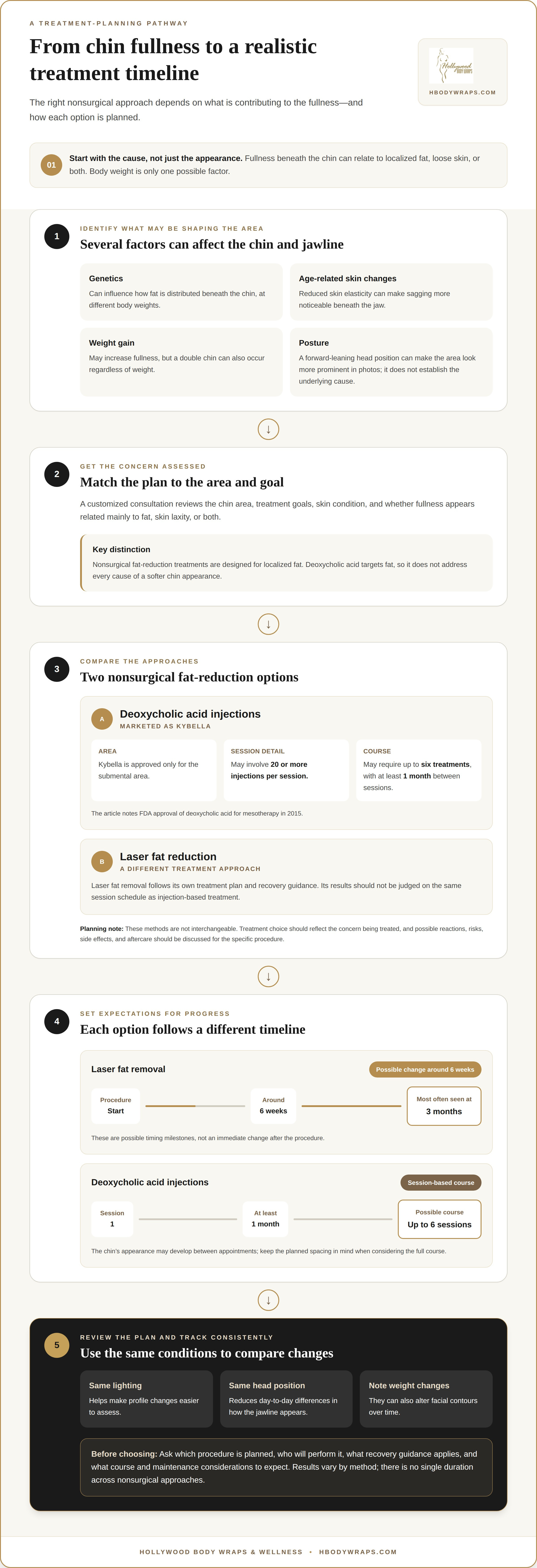
A double chin isn’t always about body weight, and surgery isn’t the only route to consider. If you’re looking to get rid of a double chin without surgery in Lutz, nonsurgical options such as deoxycholic acid injections or laser fat reduction may help, depending on what’s causing the fullness. Laser results may begin to appear around 6 weeks and are most often seen at 3 months.
It can be frustrating when fullness beneath the chin remains despite changes to diet or exercise. Genetics, age-related changes in skin elasticity, weight gain, and posture can all contribute. The right approach depends on whether the concern is excess fat, loose skin, or both.
This guide explains common causes of a double chin, outlines nonsurgical fat-reduction options, and describes how results may develop over time. You’ll get a clearer sense of what to expect before considering a professional treatment in the Lutz area.
Key Takeaways
- Learn how genetics, skin elasticity, weight changes, and posture can influence fullness beneath the chin.
- Understand what factors help determine whether nonsurgical chin contouring may suit your concern.
- See how treatment frequency can differ between nonsurgical approaches, including deoxycholic acid injections.
- Get a clearer picture of how results develop over time and what to discuss when considering treatment.
How Can I Get Rid of My Double Chin?
Nonsurgical fat-reduction treatments are designed for localized fat, but treatment choice depends on the area and your goals. An assessment can help distinguish excess fat from skin laxity before you decide on an approach.
Non-Surgical Treatment Options
Options include deoxycholic acid injections, marketed as Kybella, and laser fat reduction. The FDA approved deoxycholic acid for mesotherapy in 2015, and Kybella is approved only for the submental area. Each approach targets fullness differently, so treatment planning should consider whether fat reduction or a change in skin appearance is the priority. The goal is to enhance chin contour without surgical removal.
Risks, side effects, and recovery depend on the procedure. Discuss possible reactions and aftercare when planning treatment, since injections and laser procedures do not share a single recovery timeline.
Treatment Process and Fat Elimination
A customized consultation reviews the chin area, treatment goals, and whether the concern appears related to fat or skin laxity. The selected procedure then follows its own treatment plan. Deoxycholic acid treatment may involve 20 or more injections per session, while laser fat removal uses a different approach. These methods aren’t interchangeable, so the planned technique should match the concern being treated.
For laser fat removal, results may appear around 6 weeks and are most often seen at 3 months. These milestones describe possible timing, not an immediate change after the procedure. A treatment plan should set realistic expectations for the chosen method and explain its recovery guidance.
Candidacy, Frequency, and Lasting Results
Candidacy depends on the source of fullness, the treatment area, skin condition, and desired contour. A professional assessment can help determine whether submental fat is the main concern and whether a nonsurgical approach fits. In Lutz, providers may offer different procedures; review the practitioner’s credentials for the specific treatment and identify who will perform it.
Deoxycholic acid treatment may require 20 or more injections per session, up to six treatments, with at least 1 month between sessions. How long do nonsurgical results last? There’s no single duration across methods; the treatment used and later changes in the area influence how the contour looks over time. A customized plan should clarify the expected course and maintenance considerations.
Causes of a double chin
Fullness beneath the chin can have several causes, and body weight is only one factor. Genetics, age-related changes in skin elasticity, weight gain, and posture can each influence the area’s appearance. Identifying the main contributing factor helps explain why the jawline may look less defined and why one approach won’t suit everyone.
Genetics can shape how fat is distributed beneath the chin, so a double chin can appear at different body weights. Diet and exercise may support overall health, but they don’t always change inherited fat distribution or jawline shape. Chin exercises may also have limited effect when genetics are the main cause.
Weight gain can increase fullness under the chin, but a double chin can also affect people regardless of weight. Overall weight change may not address localized submental fat or loose skin. A weight-related concern may call for a broader plan, while a persistent pocket beneath the jawline calls for an assessment of that area.
Age can reduce skin elasticity, making sagging more noticeable beneath the jaw. In that case, fullness may reflect loose skin as well as fat. Deoxycholic acid targets fat, so it doesn’t address every cause of a softer chin appearance. Before choosing a procedure, discuss whether the concern is excess fat, skin laxity, or both, along with recovery expectations.
Posture can also affect how the neck and jawline appear. For example, a forward-leaning head position may make the area beneath the chin look more prominent in photos, though it doesn’t establish the underlying cause. Considering posture alongside weight changes, family traits, and skin laxity gives a clearer picture than judging appearance from one angle.
If weight gain is part of your concern, consider a broader wellness approach through non-invasive weight-loss support. This distinction helps keep expectations realistic: addressing one contributing factor may not resolve fullness caused by another.
Expected timeline for results
Plan around the treatment method, not a single universal schedule. With laser fat removal, a change may appear at approximately 6 weeks, while results are most often seen 3 months after the procedure. That gap matters when judging an early facial profile: the first visible change may not reflect the final aesthetic outcome. A treatment plan should identify the method and the timeframe used to assess progress.
Deoxycholic acid follows a session-based course rather than a one-visit timeline. Treatment can involve up to six sessions, with at least 1 month between them. This spacing means the full course unfolds over time, and the chin’s appearance develops between appointments. Keep the planned session schedule in mind when comparing injection-based treatment with laser fat reduction.
PDO thread lifts have a different timeline and purpose. Results are expected to peak around 4 to 6 months after the procedure and may last up to 18 months. PDO threads lift tissue; they aren’t the same as a fat-reduction method. Surgical liposuction is also a separate approach, so its timeline shouldn’t be used to predict nonsurgical results.
For a practical progress check, compare the chin and jawline at consistent points: before treatment, around the 6-week mark for laser, and at 3 months. Similar lighting and head position make profile changes easier to assess. Weight changes can also alter facial contours, so note them alongside treatment dates. Fat cells, skin laxity, and the chosen procedure affect what changes are visible. These checkpoints help distinguish gradual contour changes from day-to-day differences, while keeping expectations aligned with the treatment plan and number of sessions.
Nonsurgical submental fat reduction
Submental fullness can involve localized fat, loose skin, or both, so start by identifying what’s shaping the area. An assessment considers the underside of the chin, jawline, skin appearance, and treatment goal. This matters because an approach aimed at fat reduction won’t necessarily address sagging skin. It also helps avoid choosing a procedure that doesn’t match the concern.
Deoxycholic acid, marketed as Kybella, is an injectable option for submental fat. The FDA approved deoxycholic acid for mesotherapy in 2015, and Kybella is approved only for the submental area. Laser fat removal is another nonsurgical option discussed for chin fullness. These approaches differ, so planning should account for the treatment area and whether the goal is to remove localized fat or improve the appearance of the contour.
Diet and exercise can support overall health, but a double chin may persist despite those efforts when fullness is localized or influenced by factors beyond weight. A consultation should consider whether fat, skin laxity, or both are involved. Discuss the proposed steps, recovery, and how progress will be assessed rather than assuming every method works the same way.
“Permanent” shouldn’t be treated as a blanket promise for nonsurgical reduction. Results depend on the method and the changes affecting the area over time; weight changes may alter facial contours. Ask how the proposed plan addresses your specific concern and what outcome it aims to enhance. For a broader contouring discussion, explore nonsurgical body-sculpting options as part of your treatment planning.
Hollywood Body Wraps & Wellness
Hollywood Body Wraps & Wellness offers facial treatments for people focused on facial appearance or skin care. Its non-invasive facial lift and facials may be relevant to those goals, but they are not treatments specifically intended to reduce submental fat. If your main concern is fullness beneath the chin, make that clear when discussing your options.
Share whether your focus is facial appearance, skin care, or another wellness goal. That conversation can help identify which available service is relevant, without assuming one treatment addresses every concern. Contact Hollywood Body Wraps & Wellness to discuss your aesthetic goals and available options.
Choose a Next Step That Fits Your Goals
If you’re exploring how to get rid of a double chin without surgery in Lutz, first decide what you want to change: fullness beneath the chin, skin appearance, or your broader aesthetic routine. That clarity makes a conversation about suitable options more focused. Not every facial or body service targets submental fat, so keep your specific goal central when discussing next steps.
Hollywood Body Wraps & Wellness offers a non-invasive facial lift and facials for facial aesthetic care, along with advanced body wraps. These services address different goals and should not be mistaken for a treatment specifically intended to reduce a double chin. Discuss your interests to clarify which service fits and what it is designed to address.
Ready to talk through your goals? Contact Hollywood Body Wraps & Wellness to explore the next step. A thoughtful plan begins with a clear understanding of what matters to you.
Frequently Asked Questions
Can double chins go away?
Chin fullness can lessen, particularly when weight changes contribute to it, but the outcome depends on its cause. For people in Lutz looking to get rid of a double chin without surgery, identifying whether fullness relates to weight, inherited fat distribution, or skin laxity is a useful starting point. Improvement means a change in contour, not necessarily complete disappearance.
What non-surgical treatments reduce a double chin?
Nonsurgical options discussed for submental fullness include deoxycholic acid injections and laser fat reduction. If you’re exploring how to get rid of a double chin without surgery in Lutz, compare the treatment approach, intended target, and expected timeline. The right option depends on whether the concern is localized fat or another feature, such as skin appearance. Clarify your goal before considering a treatment plan.
How do Kybella, fat freezing, and radiofrequency compare for treating a double chin?
Kybella is an injectable deoxycholic acid treatment approved for the submental area. Fat freezing and radiofrequency use different approaches, so compare the method, intended target, planned sessions, and expected results rather than assuming they work alike. Consider whether each option relates to your concern, especially if your goal is to reduce fullness or address skin appearance.
Who is a good candidate for non-surgical double-chin treatment?
A suitable candidate has a concern that matches the treatment’s purpose and understands the expected process. Someone bothered by localized fullness may consider a fat-reduction approach, while someone whose main concern is loose skin may need a different discussion. An assessment should consider the chin area, skin appearance, personal goals, and whether the proposed method addresses the intended change.
Can weight loss, exercises, or skincare reduce a double chin?
Weight loss may reduce fullness when weight gain contributes, but a double chin can persist despite diet and exercise. Chin exercises may be less useful when genetics influence the area. Skincare can be part of a facial routine, but it shouldn’t be confused with treatment intended to reduce submental fat. Match the approach to whether your concern is weight-related fullness, inherited shape, or skin laxity.